Omega-3 Explained: EPA, DHA, and Their Role in Everyday Wellness
Omega-3 fatty acids are essential components of a balanced diet and play important roles throughout the body. They are best known for their connection to cardiovascular wellness, but their functions extend far beyond the heart. Omega-3s are also involved in cell structure, brain and eye health, and the body’s natural signaling processes.
Understanding the different types of omega-3—and knowing what to look for on a supplement label—can help you make a more informed choice.
What Are Omega-3 Fatty Acids?
The three primary omega-3 fatty acids are:
-
ALA (alpha-linolenic acid): Found mainly in plant foods such as flaxseed, chia seeds, walnuts, soybean oil, and canola oil.
-
EPA (eicosapentaenoic acid): Found primarily in fatty fish, seafood, fish oil, and some algae-based supplements.
-
DHA (docosahexaenoic acid): Also found in fish, seafood, fish oil, and algae. DHA is an important structural component of the brain and retina.
The body can convert a small amount of ALA into EPA and DHA, but this conversion is limited. For that reason, regularly consuming foods or supplements that directly provide EPA and DHA may be helpful for people who do not eat much fatty fish.
Why EPA and DHA Matter
EPA and DHA are incorporated into the membranes that surround the body’s cells. They also participate in the production of signaling molecules involved in cardiovascular, immune, pulmonary, and endocrine functions.
DHA is especially concentrated in the brain and retina, while both EPA and DHA have been extensively studied for their relationship with cardiovascular health.
However, omega-3 supplements should not be viewed as treatments for heart disease or other medical conditions. Research on omega-3 supplementation and major cardiovascular outcomes has produced mixed results, and high-dose prescription omega-3 medications are different from regular dietary supplements.
Food Sources of Omega-3
A food-first approach is a strong foundation for any wellness routine. Good sources include:
-
Salmon
-
Sardines
-
Mackerel
-
Herring
-
Trout
-
Chia seeds
-
Flaxseed
-
Walnuts
-
Canola oil
Plant foods mainly provide ALA, while fatty fish supplies EPA and DHA directly.
What to Look for in an Omega-3 Supplement
The number displayed on the front of an omega-3 bottle does not always represent the combined amount of EPA and DHA. For example, “1,000 mg fish oil” and “1,000 mg EPA and DHA” do not necessarily mean the same thing.
Always review the Supplement Facts panel and look for the specific amounts of:
-
EPA per serving
-
DHA per serving
-
Total omega-3 fatty acids
-
Recommended serving size
Quality, purity, freshness, storage conditions, and responsible manufacturing are also important considerations.
How to Include Omega-3 in Your Routine
Consistency matters more than taking an unnecessarily high dose. Follow the product directions and consider taking omega-3 with a meal, especially if recommended on the label.
People taking anticoagulant or antiplatelet medications, preparing for surgery, managing a medical condition, or experiencing a fish allergy should consult a qualified healthcare professional before using a fish-derived omega-3 supplement.
A Balanced Approach to Better Wellness
Omega-3 is not a replacement for a nutritious diet, physical activity, quality sleep, or professional medical care. Instead, it can be one part of a thoughtful wellness routine built around healthy everyday choices.
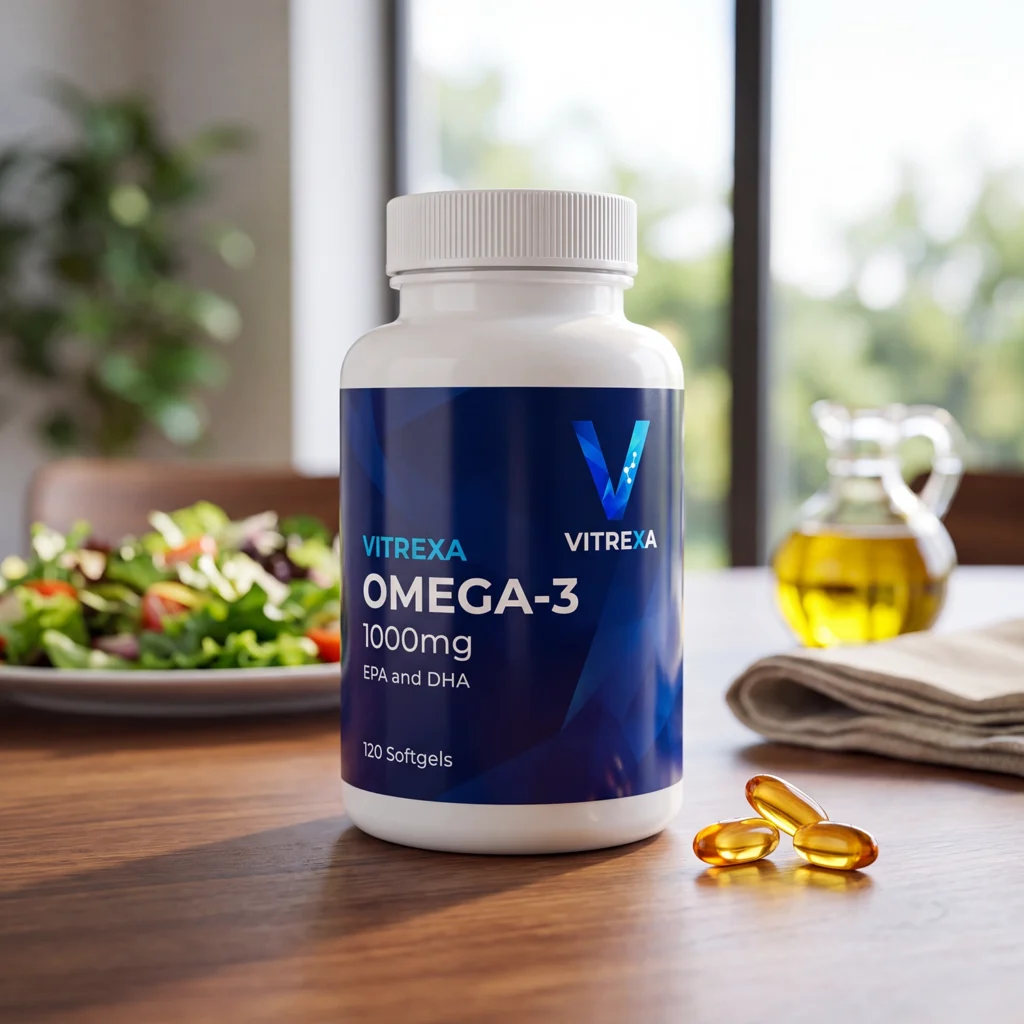
Vitrexa Omega-3 1000mg with EPA & DHA provides a convenient option for individuals who want to incorporate omega-3 into their routine. Always follow the suggested use shown on the product label.
This article is for educational purposes only and is not a substitute for professional medical advice. Dietary supplements are not intended to diagnose, treat, cure, or prevent any disease.
You’ll learn how each supplement works within your digestive system, how to choose the right one for your needs, and what to avoid when shopping for gut-health products. We’ll also share practical lifestyle tips to complement your supplement routine—so you can feel lighter, more energized, and truly balanced from the inside out.
Discover how natural supplements like probiotics, enzymes, and herbs can improve digestion, reduce bloating, and support gut health—gently and effectively. A healthier, happier gut starts with nature’s support.
Looking to improve your digestion naturally? This guide explores how supplements like probiotics, digestive enzymes, fiber, and herbal extracts can support gut health, ease bloating, and enhance nutrient absorption—without harsh medications. Learn what works, why it works, and how to choose the right digestive support for your body.
TOP NATURAL SUPPLEMENTS DIGESTION
Probiotics are live beneficial bacteria that help balance the gut microbiome. They support digestion by breaking down food, reducing bloating, and enhancing nutrient absorption. Look for strains like Lactobacillus.
- Probiotics: Balancing Your Gut with Good Bacteria for Smooth Digestion
- Turmeric & Curcumin: Reducing Digestive Inflammation with Potent Antioxidants
- Apple Cider Vinegar: Boosting Stomach Acid and Aiding Digestion Naturally
- Turmeric and Curcumin: Fighting Inflammation and Promoting Gut Health
- Digestive Enzymes: Supporting Efficient Nutrient Breakdown and Absorption
Maintaining a healthy digestive system is key to feeling your best every day. Natural supplements can play a powerful role in easing common issues like bloating, gas, indigestion, and irregularity.