Vitamin C Beyond Immunity: Everyday Benefits of an Essential Nutrient
Vitamin C is often associated with immune wellness, but its role in the body is much broader. Also known as ascorbic acid, vitamin C is an essential water-soluble nutrient that the body cannot produce on its own. It must therefore be obtained regularly through food, beverages, or dietary supplements.
From collagen production to antioxidant activity, vitamin C contributes to several important processes that support everyday health.
What Does Vitamin C Do?
Vitamin C is required for the production of collagen, a structural protein found in the skin, blood vessels, cartilage, bones, and connective tissues.
It also supports:
-
Normal immune function
-
Antioxidant protection
-
Collagen formation
-
Normal wound-healing processes
-
The production of certain neurotransmitters
-
The absorption of iron from plant-based foods
As an antioxidant, vitamin C helps protect cells from oxidative stress caused by unstable molecules known as free radicals.
Vitamin C and Immune Wellness
Vitamin C supports several functions of the immune system, but it should not be presented as a cure or guaranteed way to prevent illness.
Research suggests that routine vitamin C supplementation does not prevent the common cold in most people. Regular intake may modestly shorten the duration of cold symptoms in some individuals, but taking vitamin C only after symptoms begin has not consistently demonstrated the same benefit.
The best approach is to maintain an adequate intake as part of a healthy lifestyle rather than relying on vitamin C only when you feel unwell.
Natural Food Sources
Many fruits and vegetables naturally provide vitamin C, including:
-
Oranges and other citrus fruits
-
Strawberries
-
Kiwi
-
Bell peppers
-
Broccoli
-
Tomatoes
-
Brussels sprouts
-
Cantaloupe
Because heat and prolonged storage can reduce the vitamin C content of some foods, including a variety of fresh and lightly cooked produce can help support regular intake.
Vitamin C and Iron Absorption
Vitamin C can improve the absorption of nonheme iron—the type of iron found primarily in plant foods.
Combining beans, lentils, spinach, or fortified grains with a vitamin C source such as bell peppers, tomatoes, strawberries, or citrus fruit can help the body absorb more of the available iron.
How Much Is Appropriate?
The recommended daily amount for most adults is much lower than the amount found in many high-potency supplements. More is not always better.
The adult upper intake level for vitamin C is 2,000 mg per day from all sources. Higher intakes can cause nausea, diarrhea, abdominal cramps, or other digestive discomfort.
People with kidney disorders, a history of certain kidney stones, hereditary hemochromatosis, or those receiving cancer treatment should speak with a healthcare professional before using high-dose vitamin C.
What About Bioflavonoids?
Bioflavonoids are naturally occurring plant compounds commonly found alongside vitamin C in fruits and vegetables. They can be included in a supplement formula, but consumers should avoid assuming that every bioflavonoid formula automatically provides superior vitamin C absorption.
A diverse diet remains the best way to obtain a broad range of beneficial plant compounds.
Making Vitamin C Part of Your Routine
The goal of supplementation should be consistency and nutritional support—not replacing healthy foods or taking excessive amounts.
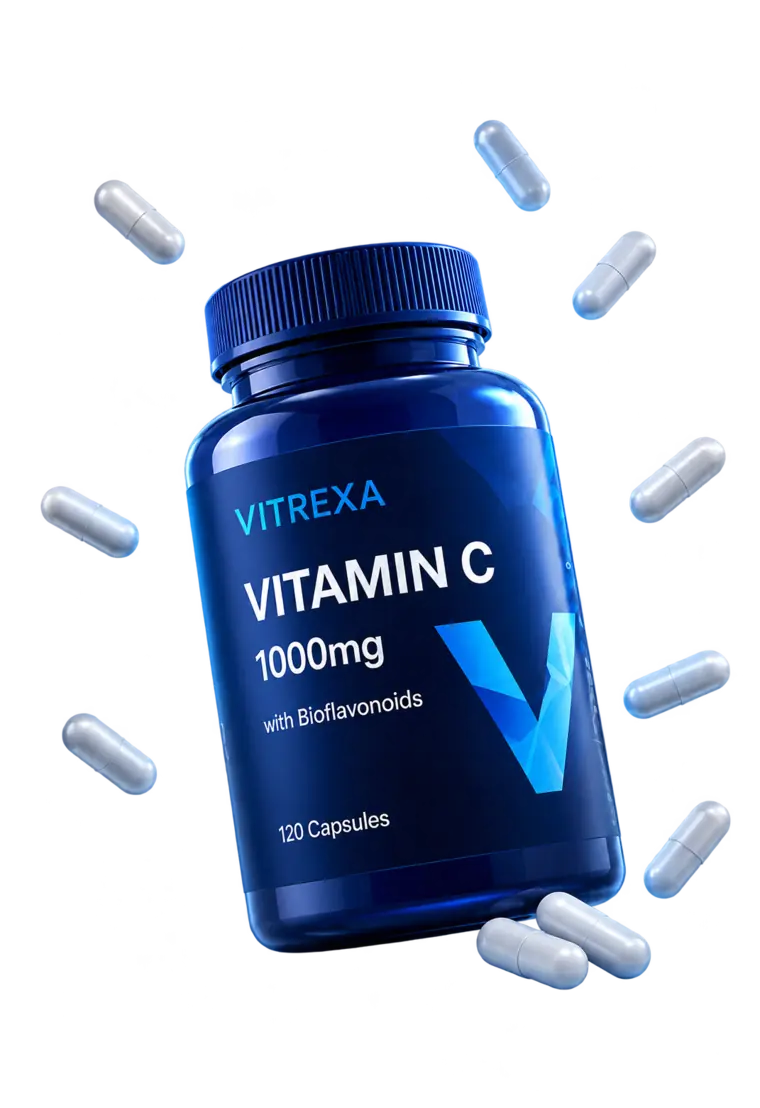
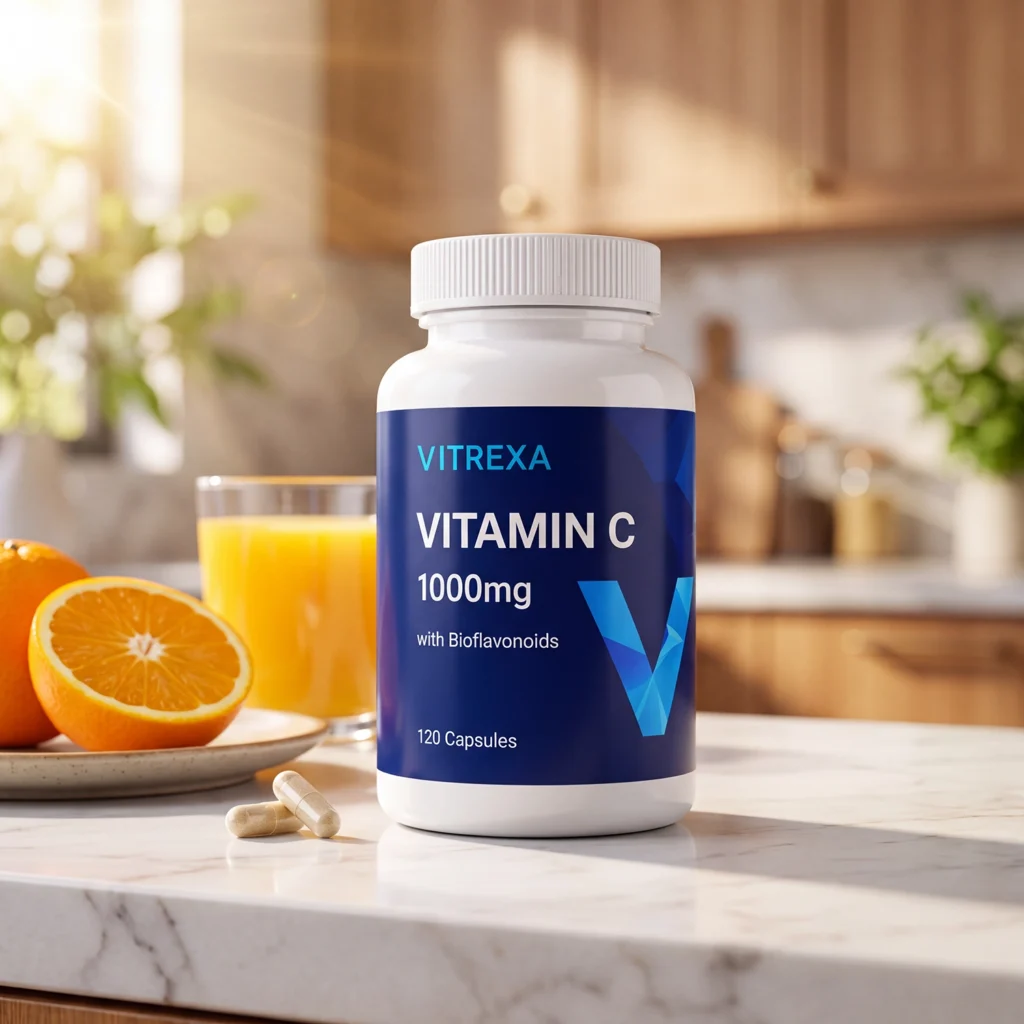
Vitrexa Vitamin C 1000mg with Bioflavonoids offers a convenient way to add vitamin C to an established wellness routine. Follow the suggested use on the label and consider your total vitamin C intake from both food and supplements.
This article is for educational purposes only and is not a substitute for professional medical advice. Dietary supplements are not intended to diagnose, treat, cure, or prevent any disease.